

Lean Six Sigma Black Belt Certification
The Black Belt Certification is a third-level belt of the six sigma family and the most exceptional level affirmation. The Black Belt Certification holders are experts who are relied upon to function as a six sigma venture proprietor or pioneer and guide and coach green belt holders under them. A Black Belt ought to show group initiative, change management, comprehend group elements, and dole out colleague jobs and duties regarding finishing the six sigma projects. The LSSBB course also prepares you for the Certified Manager of Quality ( CMQ/OE ) Certification.
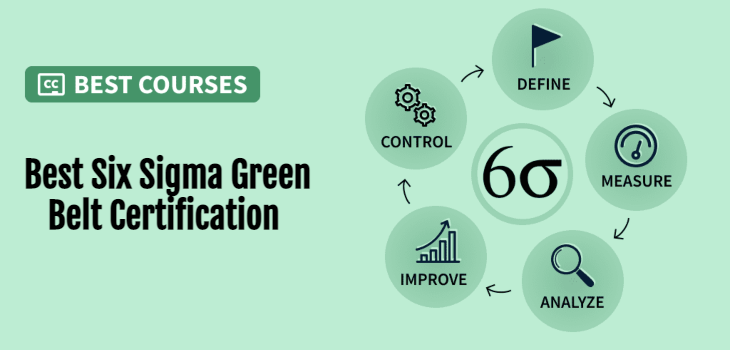
Black Belt Certification holders are capable of six sigma DMAIC system, DEFINE | MEASURE | ANALYZE | IMPROVE | CONTROL and work under the supervision of Master Black Belt Holders.
- Learn Lean Six Sigma Black Belt via the most advance and effective learning methodology.
- Live Instructor-Led Six Sigma Black Belt Training with live projects and 24*7 learning support.
- Learn high-level Data Analysis, DFSS Certification Online, and Change Management with MINITAB PRO Simulations.
- The training is delivered by Master Black Belt experts with case studies and projects.
Global Recognition of Your Certification
- Lean Six Sigma curriculum and certification Accredited by The Council For Six Sigma Certification, USA
- Certification Accredited by International Quality Federation, USA
- Training aligned and acknowledging the BOK of The American Society For Quality, USA
- Course Approved by Ministry of Skill Development & Entrepreneurship, Govt. of India
- Certification accredited by UKAC, United Kingdom
- Certification accredited by American Board
This Black Belt program develops your expertise in productivity and excellence with hands-on knowledge from Master Black Belt Experts. Learn practical applications in quality projects, Lean, DFSS, The Design For Six Sigma, and DMAIC. Gain in-depth knowledge and critical skills in Lean Management, Six Sigma Green Belt, Minitab, and Six Sigma Black Belt.



Six Sigma Black Belt possesses a thorough understanding of all aspects of the Lean Six Sigma Method including a high level of competence in the subject matters contained within the phases of Define, Measure, Analyze, Improve, and Control (DMAIC) as defined by the Lean Six Sigma Black Belt Body of Knowledge.
| Participants INTRODUCTION & ROTI ( Return on Training Investment) setup | A brief intro of participants & Learning objective | ||||||
| Expectation setup from the workshop | |||||||
| An overview to lean six sigma benefits, application, and relevance in participants profile | |||||||
| Guide to download MINITAB | |||||||
| Live project selection | |||||||
| Guide to using and download Templates and Toolkits application for Project work | |||||||
| Introduction to QUALITY and LEAN SIX SIGM | History of Quality (Deming, Juran, Ishikawa, Taguchi, etc.) | ||||||
| Evolution of Six Sigma | |||||||
| Evolution of LEAN manufacturing | |||||||
| Six Sigma – philosophy and objectives | |||||||
| Deliverables of a Lean Six Sigma Project | |||||||
| Six Sigma Roles & Responsibilities | |||||||
| LEAN SIX SIGM frame work and how dose it work | Meanings of Six Sigma | ||||||
| Data driven decision making | |||||||
| The Problem Solving Strategy Y = f(x) | |||||||
| Understanding How DMAIC and DMADV frame work | |||||||
| Documenting STAKEHOLDER REQUIREMENTS | SIPOC - Identifying stakeholders and customers | ||||||
| Determining critical requirements | |||||||
| Identifying performance metrics | |||||||
| QFD - Quality Function Deployment | |||||||
| Voice of the Customer, Business and Employee | |||||||
| Market research | |||||||
| DEFINE PHASE tools | Project selection , Project prioritization , KANO Model , Juran's customer needs | ||||||
| Preparing project charter | |||||||
| Initiating teams, Stages of team evolution | |||||||
| Mapping As - is process flow | |||||||
| Understanding Critical to Quality (CTQ) and VOC to CTQ drill down | |||||||
| Cost of Poor Quality (COPQ) and its types | |||||||
| PROJECT & TEAM MANAGEMENT Fundamentals | Enterprise wide View , Team Formation , Team Facilitation , Team Dynamics | ||||||
| Time Management For Teams | |||||||
| Team Decision making Tools | |||||||
| Management and Planning Tools | |||||||
| Conflict Management | |||||||
| Team Performance Evaluation and Rewards | |||||||
| Project management plan and Baselines | |||||||
| Project Tracking | |||||||
| MEASURE PHASE tools | Understanding of Data , Types of Data , Dimensions of Data | ||||||
| Population Data (VS) Sample data , Sampling Techniques | |||||||
| Sample Size calculation, Confidence level and confidence interval | |||||||
| Data collection template and techniques | |||||||
| Measurement system analysis - Calibration , Gauge R&R , KAPPA analysis | |||||||
| Central Limit Theorem | |||||||
| Stability and Distribution types | |||||||
| Data Transformation techniques | |||||||
| Descriptive statistics (Measure of central tendency & Measure of variation) | |||||||
| Base Line sigma calculation (DPU, DPMO, Cp,Cpk) | |||||||
| ANALYZE PHASE tools | 7 QC Tools (Histogram, Cause-and-Effect Diagrams / Fishbone Diagram, Pareto charts, Control Charts, Scatter diagrams, Process Mapping, Check Sheet) | ||||||
| 5 Why Analysis , Control impact matrix, Affinity clustering | |||||||
| Data visualization - Box Plat , Tree Diagram, Multi Vari charts Trends and comparison charts | |||||||
| Hypothesis testing - Parametric test (Continuous Data , Discrete Data) Alpha & Beta errors | |||||||
| Non Parametric test (for Non Normal test) | |||||||
| Multivariate Analysis - Discriminant Analysis, Factor Analysis, Cluster Analysis, Multidimensional Scaling, Correspondence Analysis, Conjoint Analysis, Canonical Correlation | |||||||
| Multivariate Analysis of Variance (MANOVA) | |||||||
| DMADV TOOLS | Need for DMADV frame work and its history | ||||||
| Introduction to "Design Thinking" | |||||||
| TRIZ methods of Solution generation | |||||||
| Prioritization Matrix | |||||||
| Risk Mitigation techniques | |||||||
| Creativity tools | |||||||
| Analyzing and verifying design | |||||||
| Reliability statistics | |||||||
| LEAN METHODOLOGY | Fundamentals of lean , 5 principles of lean | ||||||
| Value add (VS) non value add and 8 Types of deadly waste | |||||||
| Value stream mapping - Lead Time , Processing Time, cycle time, Turn around Time, First Pass yield , Rolled Throughput Yield, Process cycle efficiency | |||||||
| Heijunka - Leveling, Sequencing, Stability, TAKT time | |||||||
| Jidoka, Poke Yoke, Autonomation, Built-in Quality, Stopping at Abnormalities | |||||||
| Visual Management, 5 S implementation | |||||||
| JIT (Just in time), Critical level of replenishment , Supermarket or consumption based replenishment, Kanban | |||||||
| Kaizen, LEAN action work out (AWO) | |||||||
| IMPROVE PHASE tools | Solution design matrix, Brain storming | ||||||
| Failure Mode effect analysis | |||||||
| Regression techniques - Simple linear regression , Multiple regression | |||||||
| Non Linear , Binary Logistic, Nominal Logistic, Ordinal Logistic regression | |||||||
| Design of experiments (DOE), Taguchi robustness concepts | |||||||
| Full Factorials, Fractional Factorials, Screening Experiments, Response Surface Analysis, EVOP (Evolutionary operations methodology) Mixture Experiments | |||||||
| PDCA - Plan, Do , Check , Act | |||||||
| Theory of Constraints (TOC) | |||||||
| Introduction to Digital transformation , Industry 4.0 , RPA | |||||||
| Basics of solution generation through "Design Thinking Concepts" | |||||||
| "Six Thinking Hats" - Dr. Edward de Bono | |||||||
| CONTROL PHASE tools | Statistical process control | ||||||
| Control plan for sustaining benefits | |||||||
| Introduction to Control Charts and Types of Control Charts | |||||||
| PROJECT DOCUMENTATION and Sustenance | CBA - Cost benefit analysis | ||||||
| Project documentation as per DMAIC frame work | |||||||
| Horizontal deployment of lessons learned | |||||||
| Inculcating LEAN SIX SIGMA DNA in all layers of organization | |||||||
Transform Business Challenges into Opportunities with LSS Black Belt Certification.
The Lean Six Sigma Black Belt Certification is an advanced-level program designed for professionals aiming to lead large-scale process improvement initiatives and drive strategic transformation across organizations.
This certification equips participants with in-depth knowledge of Lean principles and Six Sigma methodologies, focusing on data-driven decision-making, advanced statistical tools, and change leadership. Black Belts are trained to manage complex projects, mentor Green Belts, and implement sustainable solutions that reduce waste, improve quality, and maximize performance.
The program blends theory with practical application, enabling participants to tackle real-world business challenges using the DMAIC framework (Define, Measure, Analyze, Improve, Control) and tools like root cause analysis, hypothesis testing, control charts, and design of experiments (DOE).
Ideal for mid-to-senior level professionals, quality managers, business analysts, and project leaders, this certification is globally recognized and opens doors to leadership roles across industries such as manufacturing, IT, healthcare, logistics, and finance.
1. Career Advancement & Higher Salary
- Black Belts are highly valued professionals for their expertise in process improvement.
- Often leads to leadership roles, promotions, and higher salary packages.
- According to industry surveys, certified Black Belts earn 20–30% more than their non-certified peers.
2. Leadership in Process Improvement
- Equips you to lead Lean Six Sigma projects across departments.
- Develops skills in change management, project management, and cross-functional leadership.
3. Strategic Problem-Solving Skills
- Learn to use DMAIC (Define, Measure, Analyze, Improve, Control) methodology.
- Gain advanced tools like hypothesis testing, regression, ANOVA, design of experiments (DOE), etc.
- Enables data-driven decision-making and solving complex business problems.
4. Improved Organizational Performance
- Helps reduce defects, minimize waste, and increase operational efficiency.
- Contributes to cost savings, customer satisfaction, and quality enhancement.
- Black Belts are seen as change agents who drive continuous improvement culture.
5. Global Recognition & Credibility
- Lean Six Sigma Black Belt is a globally recognized credential.
- Adds significant credibility to your resume across industries (manufacturing, IT, healthcare, finance, etc.).
6. Consulting & Entrepreneurship Opportunities
- Opens doors for independent consulting, coaching, and process transformation roles.
- Helps professionals offer value-based services to clients and organizations.
7. Mastery of Lean & Six Sigma Tools
- Proficiency in improvement tools
- SIPOC, Fishbone Diagram, FMEA
- Control Charts, Pareto Analysis, Value Stream Mapping
- Root Cause Analysis, Capability Studies
The Six Sigma Black Belt program is the third level program (after Green Belt) designed for those who wish to be Project leads for Six Sigma projects, and are responsible for high-level problem-solving challenges. Black Belts serve as mentors and trainers for the other members of the project team.
There is no pre-requisites/eligibility criteria for the Black Belt certification. There is no educational or industry minimum experience requirement for the Black Belt certification.
One may directly proceed for the Black Belt Certification. If one has six sigma knowledge, has worked in six sigma projects, or knows the six sigma methodology, then green belt certification is not needed. You may directly plan for the Six Sigma Black Belt Certification.
Our best Six Sigma Black Belt certification in India includes the Green belt topic coverage. We provide you with the Green Belt learning material so as to refresh your six sigma knowledge and then take you to the advanced level of Black Belt training.
The Lean Six Sigma Black Belt Certification is ideal for professionals who want to lead high-impact improvement projects, solve complex business problems, and drive strategic change.
Recommended For:
- Quality Managers & Quality Analysts
- Operations Managers & Process Improvement Leaders
- Project Managers & Program Managers
- Engineers & Business Analysts
- Consultants & transformation Leaders
- Team Leaders & Supervisors
- Green Belt Certified Professionals
- Entrepreneurs & Business Owners
Industries That Benefit:
- Manufacturing
- Healthcare
- IT & Software
- Banking & Financial Services
- Logistics & Supply Chain
- Telecom
- Retail & E-commerce
- Automobile
- Oil and Natural Gas, Power sector
- Defence
On successful completion of the course and course requisites, the candidate will receive globally recognized and a lifetime validity Certified Lean Six Sigma Black Belt Certification.
CLSSBB Certification Accredited by the Global Accreditation Certification Board, American Board, CSSC, IQF USA & UKAC United Kingdom.
This course offers the Six Sigma Certification Validation Tool for Employers
Your Six Sigma Certification Validation Tool can be used by employers, clients, and other stakeholders to validate the authenticity of the Six Sigma Certification you have received. Using the program code located on your certified LSSBB certification, one can see all your training and certification details online.
 (1).jpg)








.jpg)

.webp)